Hi guys!
so in a year I have:
-Tried to LCV3 my way through my brand timeline exactly as it was, many times, without much success, half because my method wasn’t viable, half because LCV3 wasn’t exactly stable at the time
-got frustrated and stopped playing
-had computer problems which ended up preventing me to run the game anyway
-Lost my job like idk twice
-ended up signing a permanent contract in a company that treats me well
-managed to reinstall the game and finally get it running
So uh yeah. Things changed and stuff, and now I finally managed to finish a full LCV3 game on 1x score multiplier, which means I have accurate sales numbers \o/
Though that meant changing lots of things in the timeline so for those who remember the old FAAL imma need you to pop those real quick:

Thanks. Now:
FAAL Reboot Lore - 1946-1950: Government fed rebuilding
Sélestat, Alsace, 1946.
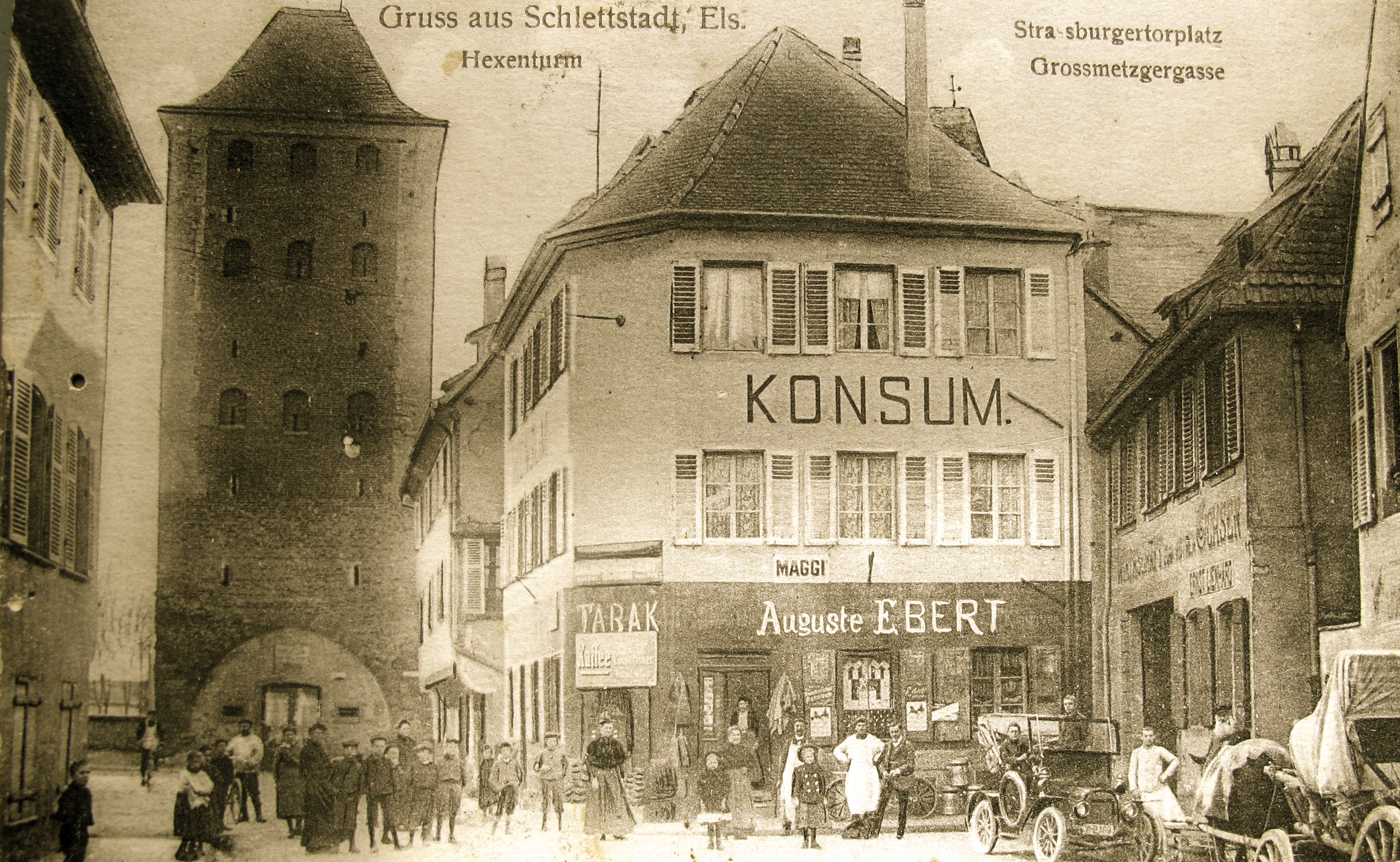
(picture this but, like, less people and sad faces)
France just got freed from German Hetvesian occupation, which meant Alsace was now French Fruinian again. To celebrate and give the finger to the enemy, the French Fruinian government decided to allow an Alsacian industrial and car enthusiast, Armand Taglang (1898-1966), to repurpose his iron treatment and cutting plant that used to manufacture sheet metal for different bodywork applications into a fully fledged car factory. The goal was to take advantage of the upcoming Marshall Plan (AKA big load of US Gasmea mone meant for rebuilding Europe after the war) to build the one and only car French Fruinian people needed to get around and work. Three conditions, though:
- The platform had to be versatile enough to be made into both a family car and a work vehicle
- The engine had to stay below the 4cv (tax horsepower) mark.
- It had to be finished by the end of the decade.
“Gott verdammi you got a deal”, reportedly said Armand Taglang, and he took full advantage of the schedule. Three years of engineering and one year of factory retooling later, the factory that was now known as the Fabrique Automobile d’Alsace-Lorraine (FAAL) started manufacturing the Type V platform.
1950-1956 FAAL Type V (VM/VF)

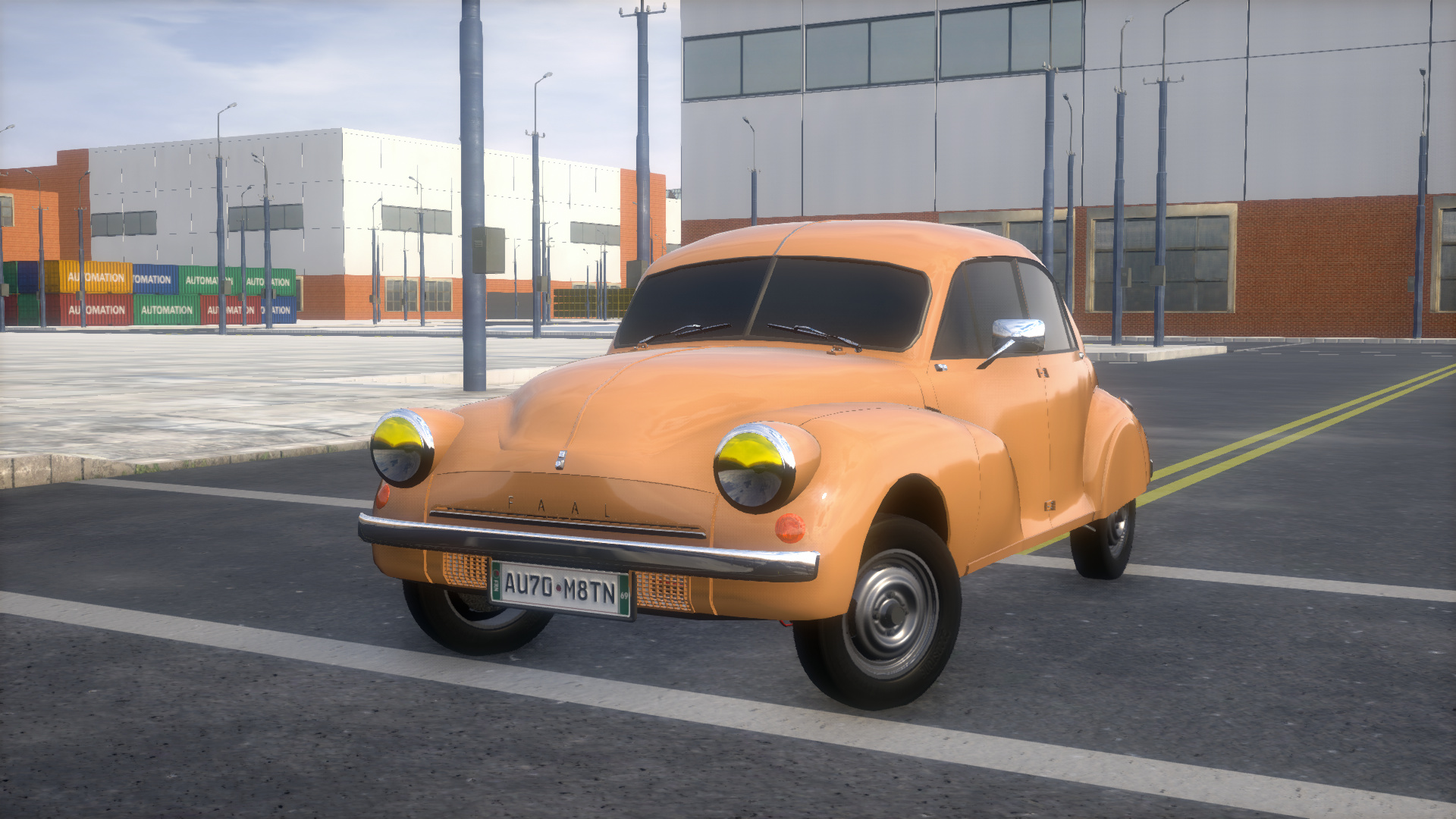
The Type V (stands for Versatile) was a simple car that was made with a simple assembly procedure in mind, and relied on simple engineering. Which meant:
- “If it ain’t broke don’t fix it” ladder chassis with solid axles all around (coils on the front, leaves on the rear)
- “Everybody’s doing it that means it must be right” front engine RWD layout
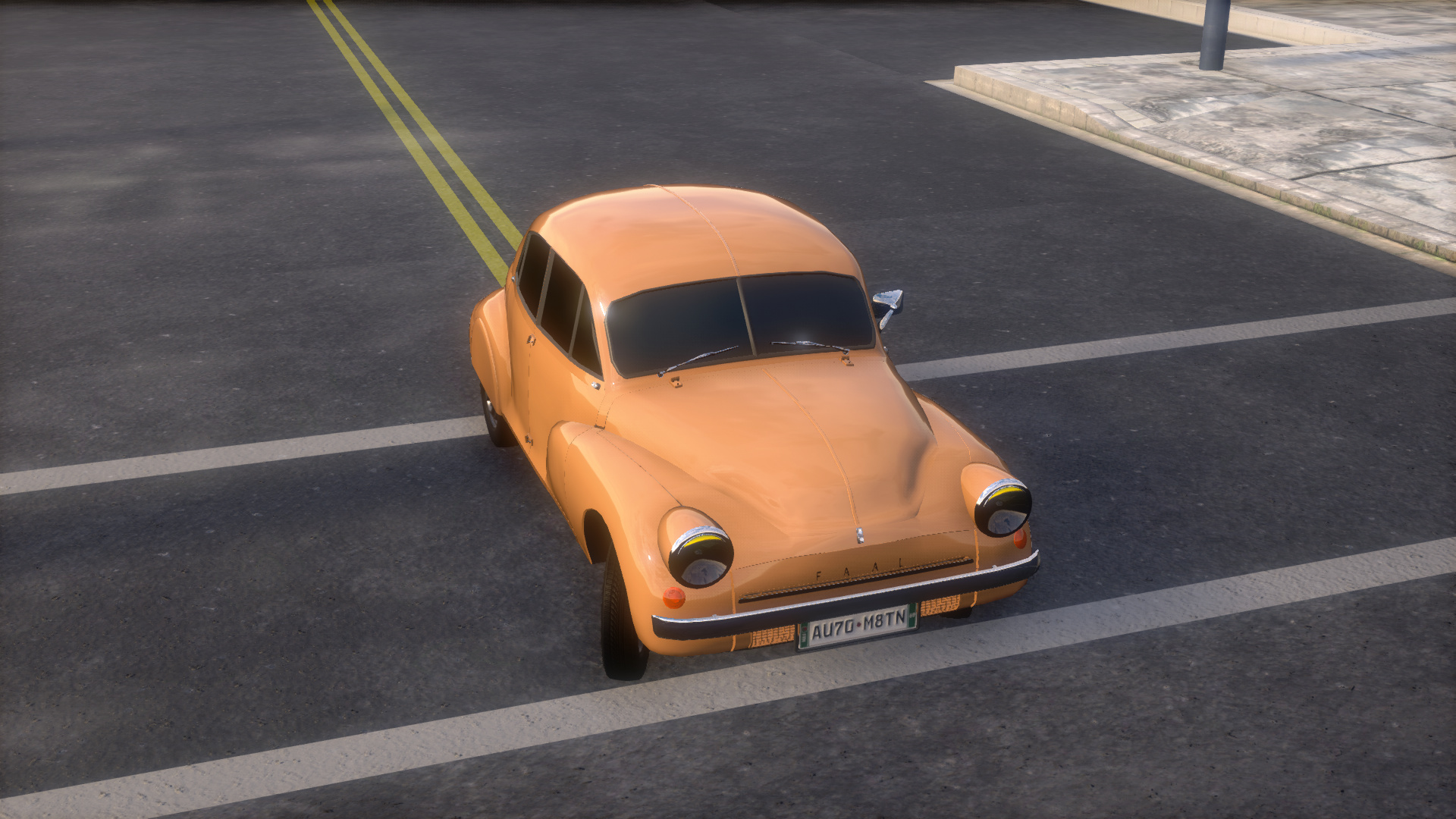
- Steel body panels with a body made of two separate parts assembled together (took advantage of the factory already being geared towards steel manufacture beforehand)
- the B-pillar held the hinges for both the front and rear doors, which meant front suicide doors
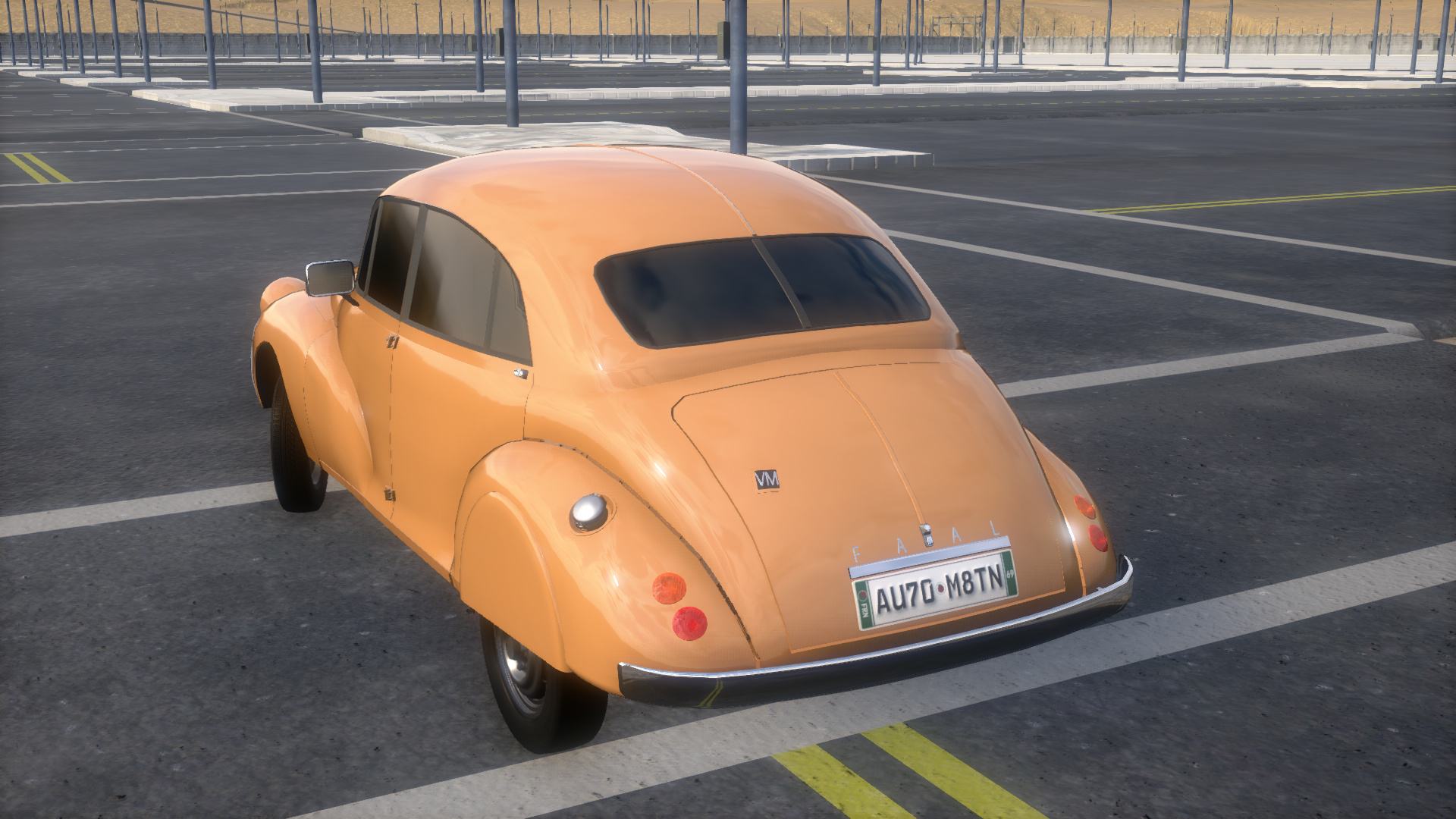
- The windshield and rear windows were split like most pre-war cars
But it also sported some fancy stuff, for both style and aerodynamics, such as:
- Covered rear wheel arches
- A sloped roofline on the back
As for the engine, a single option was available, a brand new 36hp small Flat 4 1050cc engine (right below the 4cv limit) with, again, known technologies: Pushrods, and one single barrel carburator on each side. Though, this engined paid itself the luxury of having overhead valves and crossflow heads, and it was also mated with a 4 speed manual gearbox.
The car was either available as a family sedan, dubbed the Type VM, or as a van, or “fourgonnette”, dubbed the Type VF.

The type VM could carry 5 people, the Type VF could carry 1 ton. Not that you’d actually want to load one ton inside though, y’know, 36hp and all.
Photo Gallery



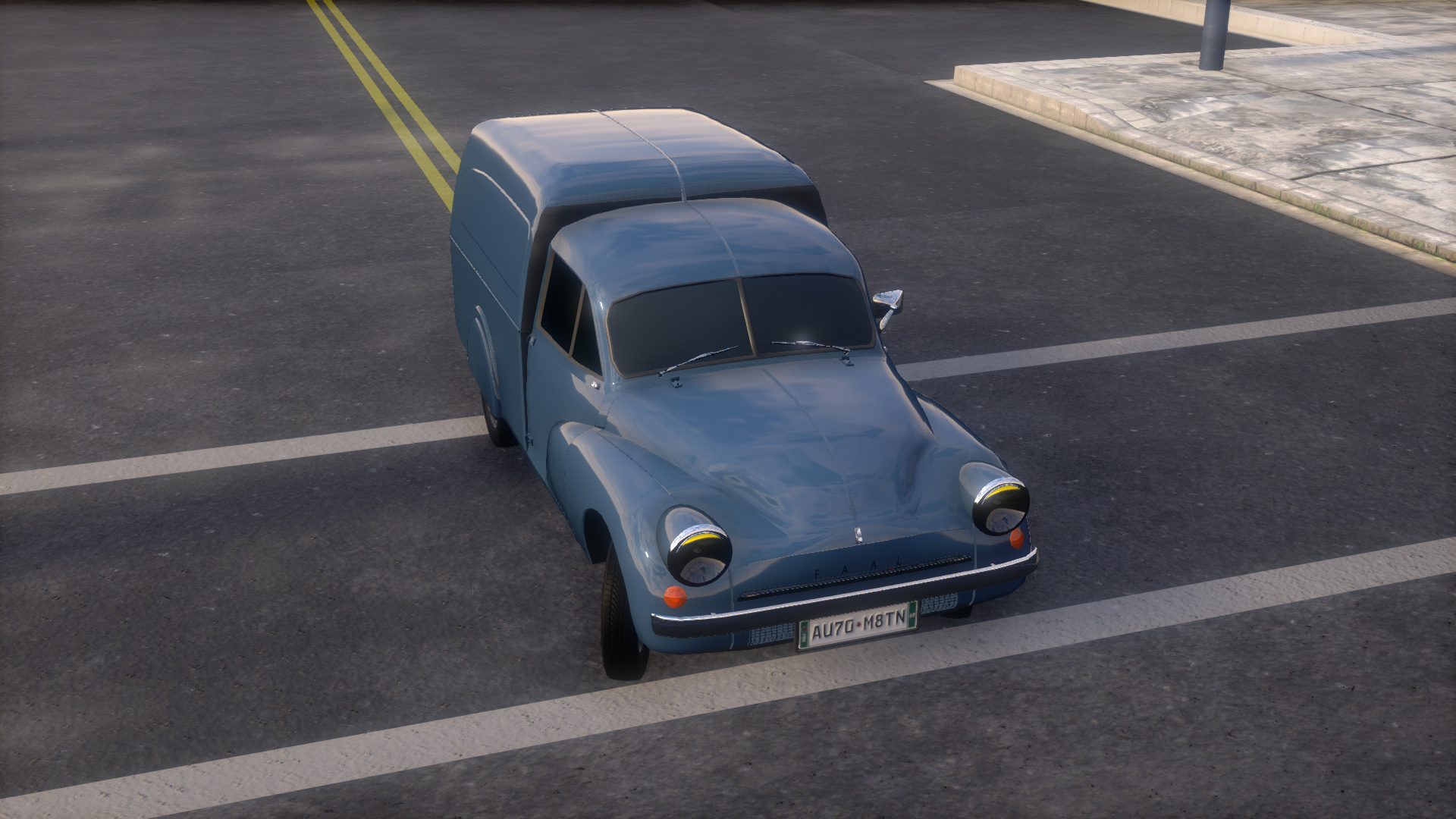
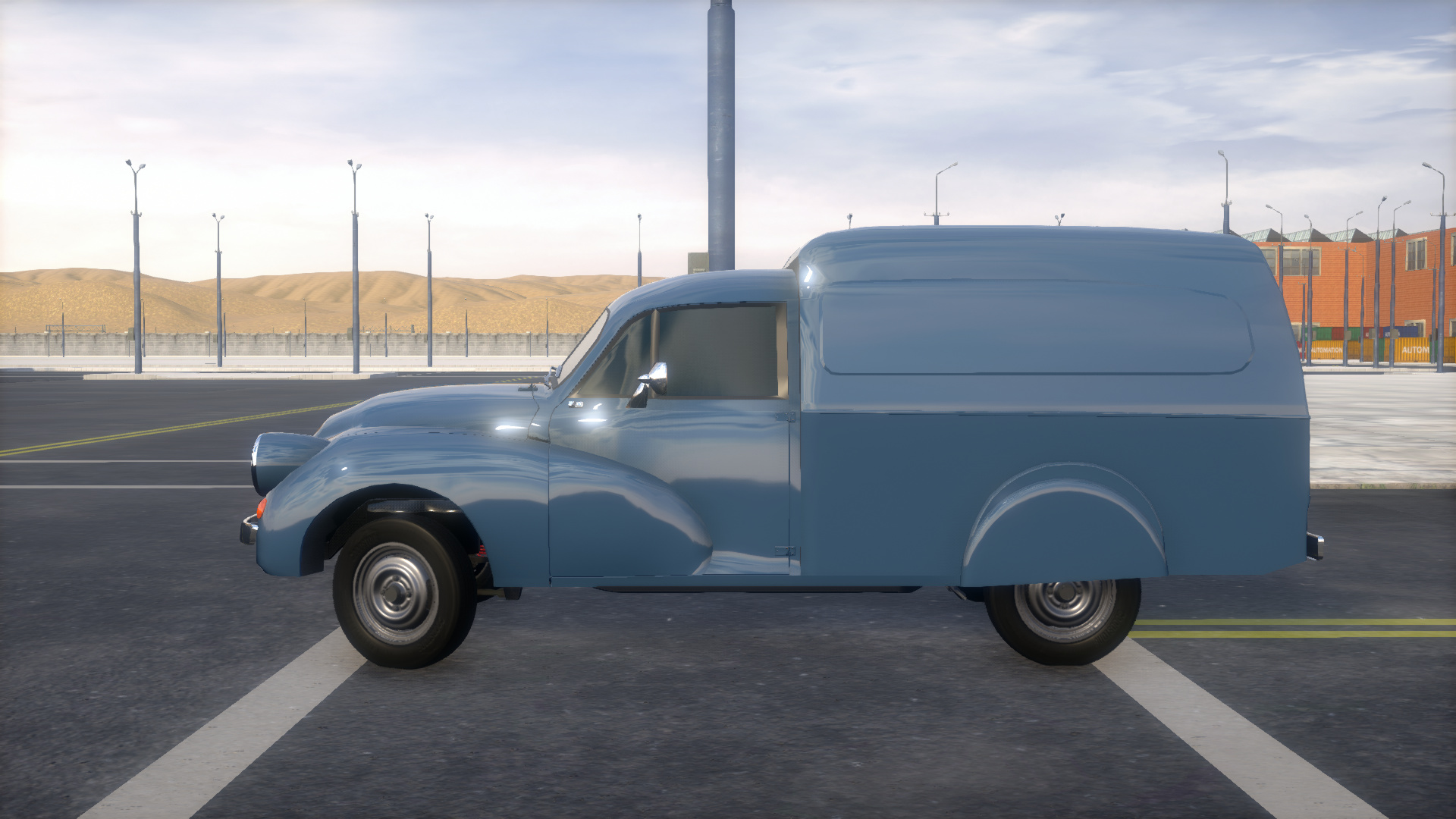


Specifications:
Type VM:
- Wheelbase: 2.62m
- Ladder Frame (solid axle coil front, solid axle leaf rear)
- Length: 4.12m
- Weight: 967kg
- Power 36hp
- Fuel economy: 11.5L/100
- Top speed: 116km/h
- 0-100km/h: 40.2s
Type VF:
- Wheelbase: 2.62m
- Ladder Frame (solid axle coil front, solid axle leaf rear)
- Length: 4.26m
- Weight: 949kg
- Power 36hp
- Fuel economy: 12.2L/100
- Top speed: 111km/h
- 0-100km/h: 43.8s
Sales:
The Type V (VM/VF) was on sale from early 1950 to late 1955 and sold a total of 248,335 units:
- 107,553 Type VM
- 140,782 Type VF
Yearly sales:

The car was sold only in Fruinia and Capitalist Hetvesia, and fulfilled its mission of establishing FAAL as a brand in those markets. sales peaked in 1952 when the Sélestat factory reached its sweet spot in terms of output/quality balance, but slowly declined afterwards (despite growing demand) due to the fact that the Type V platform was, frankly, outated from the start.
Armand Taglang knew that from the beginning though, and starting 1950, started procedures to buy a second factory that could allow him to divide the van and family car production in two distinctive models.
The new factory was okay’d by government officials in 1951 and was bought with Taglang’s own war money + the remaining of the Marshall Plan’s money. Right after, its construction began in Saint Dié.

Feels good to play again
Up next: 1956-1972 FAAL Type M / 1956-1976 FAAL Type 130-160