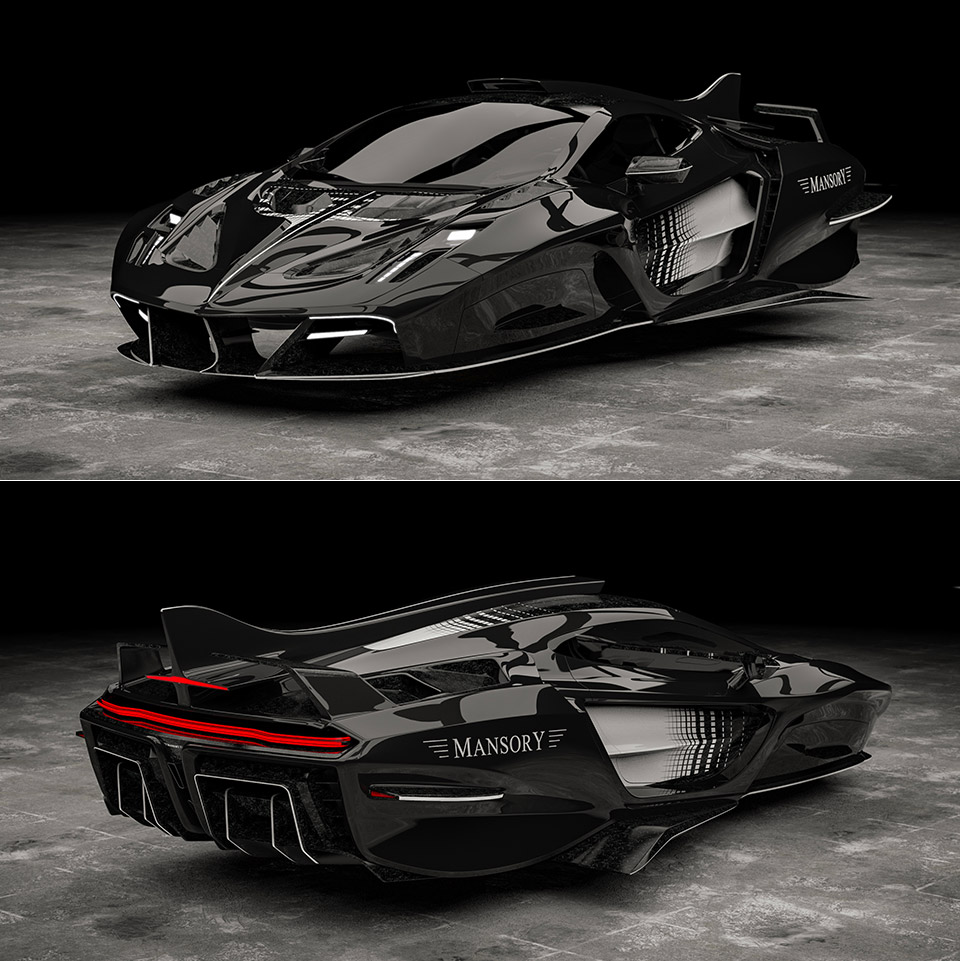
CSR 171 - AutoVolante [ENTRIES OPEN]

171 171 171 171 171 171 171 171 171 171 171 171 171 171 171 171 171 171 171 171 171 171 171 171 171 171 171 171 171 171 171 171 171 171 171 171 171 171 171 171 171 171 171 171 171 171 171 171 171 171 171 171 171 171 171 171 171 171 171 171 171 171 171 171 171 171 171 171 171 171 171 171 171 171 171 171 171 171 171 171 171 171 171 171 171 171 171 171 171 171 171 171 171 171 171 171 171 171 171 171 171 171 171 171 171 171 171 171 171 171 171 171 171 171 171 171 171 171 171 171 171 171 171 171 171 171 171 171 171 171 171 171 171 171 171 171 171 171 171 171 171 171 171 171 171 171 171 171 171 171 171 171 171 171 171 171 171 171 171 171 171 171 171 171 171 171 171 171 171 171 171 171 171 171 171 171 171 171 171 171 171 171 171 171 171 171 171 171 171 171 171 171 171 171 171 171 171 171 171 171 171 171 171 171 171 171 171 171 171 171 171 171 171 171 171 171 171 171 171 171 171 171 171 171 171 171 171 171 171 171 171 171 171 171 171 171 171 171 171 171 171 171 171 171 171 171 171 171 171 171 171 171 171 171 171 171 171 171 171 171 171 171 171 171 171 171 171 171 171 171 171 171 171 171 171 171 171 171 171 171 171 171 171 171 171 171 171 171 171 171 171 171 171 171 171 171 171 171 171 171 171 171 171 171 171 171 171 171 171 171 171 171 171 171 171 171 171 171 171 171 171 171 171 171 171 171 171 171 171 171 171 171 171 171 171 171 171 171 171 171 171 171 171 171 171 171 171 171 171 171 171 171 171 171 171 171 171 171 171 171 171 171 171 171 171 171 171 171 171 171 171 171 171 171 171 171 171 171 171 171 171 171 171 171 171 171 171 171 171 171 171 171 171 171 171 171 171 171 171 171 171 171 171 171 171 171 171 171 171 171 171 171 171 171 171 171 171 171 171 171 171 171 171 171 171 171 171 171 171 171 171 171 171 171 171 171 171 171 171 171 171 171 171 171 171 171 171 171 171 171 171 171 171 171 171 171 171 171 171 171 171 171 171 171 171 171 171 171 171 171 171 171 171 171 171 171 171 171 171 171 171 171 171 171 171 171 171 171 171 171 171 171 171 171 171 171 171 171 171 171 171 171 171 171 171 171 171 171 171 171 171 171 171 171 171 171 171 171 171 171 171 171 171 171 171 171 171 171 171 171 171 171 171 171 171 171 171 171 171 171 171 171 171 171 171 171 171 171 171 171 171 171 171 171 171 171 171 171 171 171 171 171 171 171 171 171 171 171 171 171 171 171 171 171 171 171 171 171 171 171 171 171 171 171 171 171 171 171 171 171 171 171 171 171 171 171 171 171 171 171 171 171 171 171 171 171 171 171 171 171 171 171 171 171 171 171 171 171 171 171 171 171 171 171 171 171 171 171 171 171 171 171 171 171 171 171 171 171 171 171 171 171 171 171 171 171 171 171 171 171 171 171 171 171 171 171 171 171 171 171 171 171 171 171 171 171 171 171 171 171 171 171

2066

It all started with two main corporations. Zero Heavy Industries (ZHI) and Novum Centuria Engineering (NCE), both attempting to out develop and out engineer each other. Creating next generation products for the future of humanity, both have said, but we all know they both were just trying to eventually break a stalemate for dominance.

Following the discovery of the synthetic fuel Nanoleum, an extremely power dense and “environmentally friendly” liquid fuel, both ZHI and NCE were in a race to utilize this fuel the best possible. Eventually, perhaps through a bit of corporate espionage, they both revealed their latest development at roughly the same time: Anti-Gravity Vehicles (AGV), or as many people would quickly call them, the “Flying Car”.

The freedom of flying through the air, with ease and convenience of a car or truck, and with superior control, safety and stability compared to a helicopter, the AGV quickly revolutionized the transportation sector. The first AGV models - built under ZHI’s subsidiary Nanahoshi Taiju and NCE’s subsidiary Helios - were largely utilitarian, replacing helicopters and short/mid-distance aircraft for logistical, government and military purposes. Large amounts were automated to start as well for efficient logistics, as much of the non-luxury, non-recreational transport at this point were. However, the appeal of a vehicle that can truly go anywhere, as well as the luxury of the freedom of control was obviously desired. Personal AGVs (PAGVs) were quickly teased and conceptualized by various other companies, most considered vapourware to start.

However, with ZHI and NCE so tunnelvisioned on each other, they didn’t realize that the conventional automotive industry was beginning to poach and headhunt talent away from the “Big Two” of LifeTech. On their end, manufacturers began developing PAGVs with engineers siphoned away from the Big Two. While the latter were squabbling in the military, transport, and logistics segments, manufacturers were building prototypes of the first PAGVs. Unlike the AGVs of the big two, these PAGV prototypes were focused on the aspects the previous ones weren’t: personal luxury, and personal freedom. With refined, focused personal experience and a return back to manual controls (with fallbacks to fully automated systems for safety and ease of use, of course) to emphasise the aspect of being able to truly go anywhere, the PAGVs prototypes quickly gained the interest of those who could, and also could not afford it.

And now, as the Big Two scrambled to get a PAGV of their own out, the first generation of PAGVs, of the flying car, was available from the conventional automotive market…

— Rules —

Obviously realism is out the window with this CSR, which both allows for a bit more freedom, but also requires some extra rules to also keep a realm of plausibility that you are engineering a “Flying car” (PAGVs) and not a land vehicle. Additionally, some components will be renamed in accordance to the lore:

Lore Changes to Components

  • Chassis, Panel material and chassis type/ material = Basically same as normal cars
  • Engine placement = Generator Placement (Basically the same as normal cars)
  • Front and Rear suspension = Locked to Double wishbone front and rear (Technically there isn’t really any “suspension” system, its just standardized)
  • Drivetrain = LOCKED to AWD (PAGVs require all four corners to be powered by Thrusters/ Anti Grav units)
  • Engine = Basically same as normal cars (“Nanoleum Generator” - you may “rename” them for lore reasons but they must be represented in lore similarly as the engine and force induction type chosen)
  • Fuel type = Nitromethane NM90 107 RON (Stand-in for “Nanoleum”, “converted” fuel economy treated as mL/100km instead of L/100km, 1000x the displayed number for MPG. PAGVs are currently only allowed a maximum of 1 Liter of Nanoleum for safety reasons.)
  • Gearbox = LOCKED to Continuous (PAGVs won’t need gears but will require constant power)
  • Differential = Any (Thruster/ Anti Grav power output transfer from side to side)
  • Tires = LOCKED to Medium +5 quality (no particular reason as there’s “no tires”, just standardized)
  • Tyre width/ wheel size/ rim material = open (“Thruster/ Anti Grav unit specifications and material”)
  • Brakes = Open (“Thruster/ Anti Grav Braking”)
  • Undertray = LOCKED to Flow optimized, less than 0 downforce on both ends
  • Interior = Basically same as normal cars
  • Steering/ TA = Basically same as normal cars (“Control type”- either mechanically, hydraulically or electronically controlled inputs),
  • Traction aids = ESC or better
  • Suspension = Open (“Flight Stability Dampeners” - either mechanically, hydraulically or electronically controlled to dampen the effects of turbulence)

Lore changes to existing stats

  • Drivability = Flight Stability/Ease of Control
  • Sportiness = Flight responsiveness
  • Comfort = Comfort (Same, but high roll angles will cause the “seasick” feeling, and will reduce comfort score, based on value over 6 degrees)
  • Prestige = Prestige (Same)
  • Safety = Safety (Same)
  • Practicality = Practicality (Same)
  • Offroad = doesn’t matter lmao
  • Reliability = Reliability (Same)
  • Fuel Eco = Generator Efficiency (“converted” to mL/100km instead of L/100km, 1000x the displayed number for MPG) All PAGVs are only allowed to carry 1 Liter of Nanoleum due to safety concerns
  • Throttle response = Thruster/antigrav response
  • Smoothness = Smoothness
  • Noise = Noise
  • Service cost + Tire cost= Maintenance Costs
  • Price = Price
  • Performance:
  • Speed metrics and turning gs ~= Equivalent to normal
  • Roll angle = How level the PAVG stays in the air regardless of turbulence. Roll angle over 6 degrees will reduce comfort.
  • Brake distance = Stop distance (basically same as before)
  • Brake fade = How consistent the car is stopping in the air (0% is most consistent)
  • Top Speed = Basically the same as before, however as flying vehicle with far less obstacles, this can be used as a “safe maximum cruising speed” and has a greater importance than normal ground vehicles

Standard Equipment in the PAGV/ Flying Car

This will be a few things that will be assumed to be standard for all entries while judged:

  • Automated driving/ flying modes (How good that is depends on Flight Stability/Ease of Control (Driveability))
  • Automated collision avoidance systems (How good that is depends on your safety)
  • VTOL capabilities (Also automated)
  • Landing gear (may be visible or hidden - preferred main submission to be hidden)
  • Semi-standardized flight controls (Similar to normal cars, but it can fly. Main difference will be pitch controls likely tied to pushing/pulling steering wheel unless specified otherwise, with roll being assumed to be automated based on speed and turning)

Target performance specifications:

  • Top speed over 400km/h
  • 1 km time under 20s

Full Rules / Restrictions

All restrictions are here, including lore specific restrictions stated above

  • Car Model and Trim Year: 2020

  • Engine and Variant Year: 2020

  • Lore Model Year: 2066 (Actual year of car)

  • 2 Door Bodies only

  • Wheelbase: 2.5m - 3.5m

  • Maximum Width: 3.0m

  • Maximum Length: 10.0m

  • Maximum Cost: $100,000

  • Shared Techpool budget: $100.0M

  • Negative Techpool is not allowed (min 0)

  • Suspension: Front and Rear Double Wishbone

  • All Engine types allowed (Including V16)

  • Fuel Type: Nitromethane NM90 107 RON

  • Emissions level: WES 11

  • Gearbox: Continuous/ CVT only

  • Wheels/Tires: Radial Medium +5 Quality

  • Undertray: Flow Optimized only

  • Downforce: Less than 0 on the graph

  • Seats: At least 2 (can have more, and can be of any configuration)

  • Interior: Not required, will only be judged if every car in a judging stage has one

  • Traction aids: ESC or better

  • Safety: 20s Safety only (Your choice of Advanced, Standard or Basic)

  • Must have headlights/taillights

  • Must have sidelights positioned at the widest points of the car, from rear view: Red for left side, Green for right side

  • Must have a front and rear registration plate, EU sized. (Either blank or with a barcode texture as provided below):

  • Full 3D allowed

  • Full ATS options allowed

  • Wheels and Tires MUST NOT be visible. (You may have “landing gear” but you’re selling a flying car not something “inbetween”)

  • Must be roughly car sized, and visibly plausibly fit the seat count according to the game, generator (engine) at the placement chosen (front, mid or rear) and anti-grav/ thrusters at all four corners (May be hidden in body work, but needs to plausibly be there).

  • Ads are required to be posted no later than 24 hours after the challenge closes.

— Priorities —

Nina Nannini (“N”) is a former engineer of NCE, having retired early after selling her stock options after the initial AGV boom. The idea of a personal flying car, the PAGV, naturally interests her as a person that worked on the technology that preceded them, with the freedom to fly herself undoubtedly a big factor in her wants of getting one. But unlike the average layperson, she is also naturally more critical of any shortcomings rather than just riding the hype of “the flying car is FINALLY HERE”.

★ ★ ★ ★ ★ Five Star ★ ★ ★ ★ ★

Design

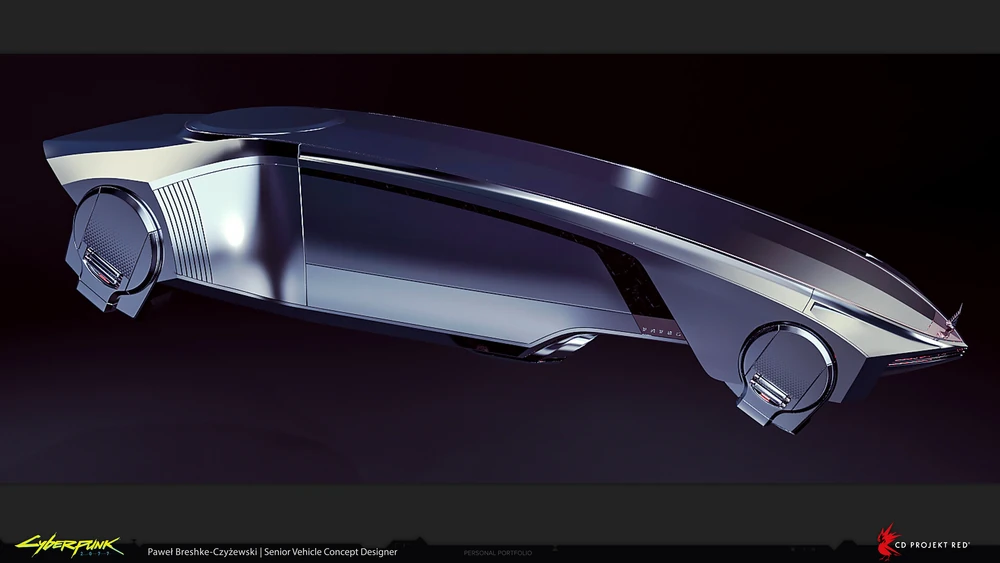
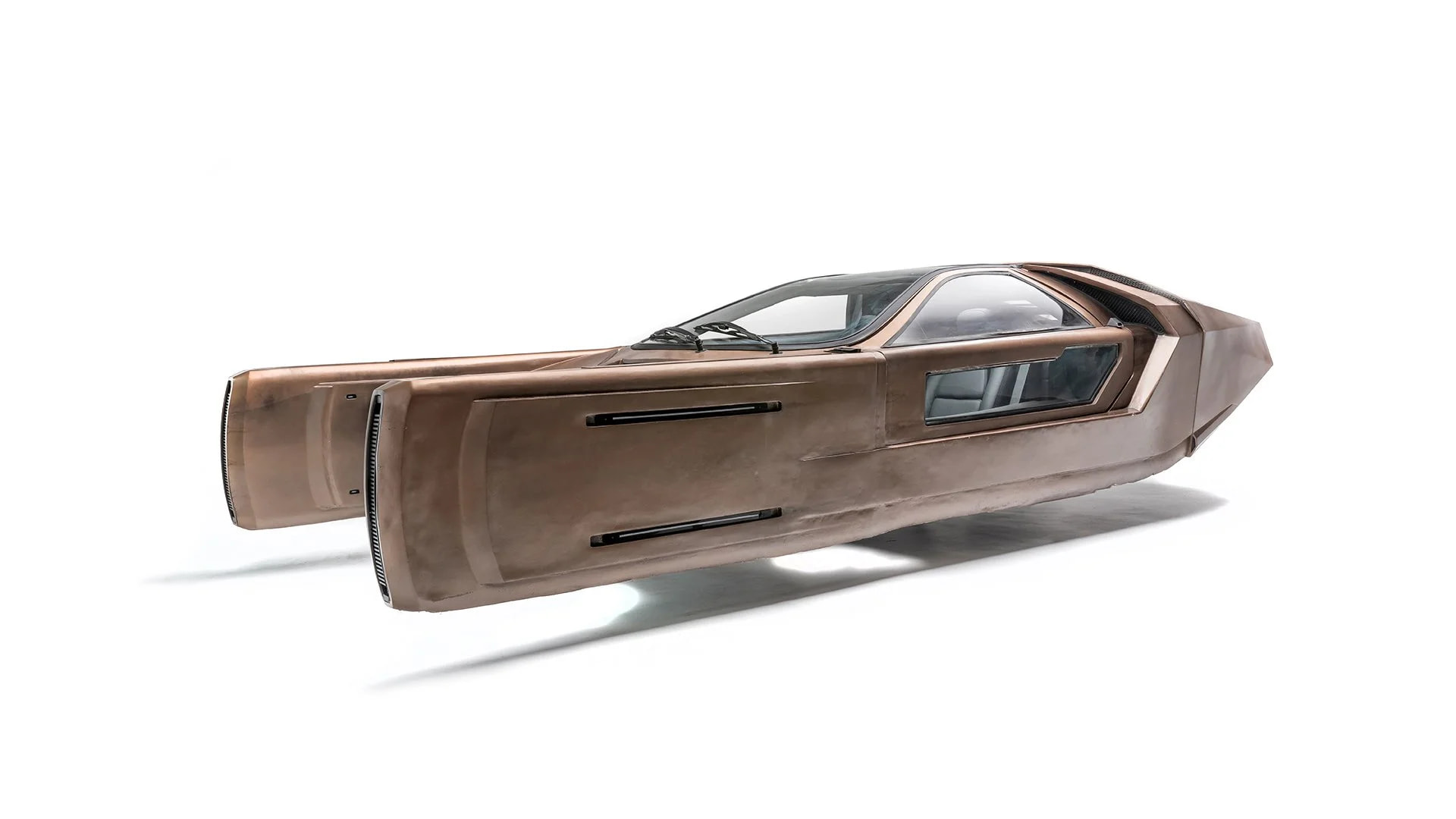
Being the “first generation” of the PAGV, first impressions hit hard. Its the new thing that everyone will want, and no one wants to be a laughing stock for getting a flying trash bin. (See inspirations - this will not be limited to a particular style of flying car, but rather whatever you think would look and sell best.)

Flight Stability/Ease of Control (Driveability)

Ease of control is key to a great PAGV, similar to other ground breaking technologies, making it simply nice to use and intuitive to control is going to strongly effect the perception of the flying car.(Automated driving/ flying modes will be assumed to be part of Flight Stability/Ease of Control)

Safety

For your company’s sake and the client’s, don’t make your PAGV a flying coffin. (Automated collision avoidance systems will be assumed to be part of Safety)

★ ★ ★ ★ Four Star ★ ★ ★ ★

Comfort

Naturally PAGVs are going to be great long distance cruisers, and a personal one like this should be nice and comfortable for long flights. (Stat will be same as usual, but will be reduced for Roll Angle over 6 degrees. Every degree over will reduce by the equivalent percentage ie. 6.5 degree roll angle reduces comfort by 0.5%)

Reliability

Able to go anywhere also means the possibility of breaking down anywhere. Let’s not have that happen.

Performance

It shouldn’t be slow, and having a higher top speed actually means getting to your destination a lot faster with a flying car as opposed to being mainly a vanity statistic for land based vehicles. (Performance metrics order of importance: Top Speed > Acceleration > Turning gs > Brake Distance)

★ ★ ★ Three Star ★ ★ ★

Flight Responsiveness (Sportiness)

How good it feels to fly is one of the main selling points of the PAGV.

Generator efficiency/ range

Nanoleum is extremely power dense and gives for impressive range, however is still rather uncommon to access for the majority of the public. Additionally, due to safety regulations all PAGVs can only carry up to 1L (1000mL) of Nanoleum. The less that is needed to be used the better.

Price and Maintenance Costs

Not the biggest concern, but no one wants to get a more expensive product that does less, and no one wants high recurring costs when something similar can do with less

★ ★ Two Star ★ ★

Practicality

Would be nice to have, not the main concern

Prestige

Who knows if what’s considered prestigious will flip, but for now, old impressions die hard so could affect judgement slightly

Submissions

Submit the car via DM to me (@Xepy)

Submissions open on start of day July 20th 2026 (Any timezone)

Submissions close on end of day August 21st 2026 (Any timezone) Subject to extensions as needed

I will allow one resubmission before the deadline, taking the 2nd and/or last file you send me. Depending on the timing I may check and notify you of rulebreaks, but do not expect me to do this as not breaking the rules is YOUR RESPONSIBILITY.

Notes and Changelog

Yes, the flying car CSR is here. And there’s probably going to be questions, so please read the rules and priorities as I have tried to address the possible holes that I could think of. But inevitably there can be something I missed so feel free to ask any questions and if adjustments need to be made, they will be shown below.

7/14

  • Increased Maximum Budget to $100,000
  • Added Target Performance Values: At least 400 km/h top speed and faster than 20s 1 km
  • Added Maximum dimensions: Maximum Width: 3.0m Maximum Length: 10.0m
  • Added Sidelights requirements: Positioned at the widest points of the car, from rear view: Red for left side, Green for right side
  • Added Front and Rear Registration Plate requirements, EU sized. (May be blank or use barcode texture)

Good Luck and Have Fun!

19 Likes

Although an AWD system of some sort is mandatory, we’re free to use any such system the game provides (viscous, helical, on-demand, or advanced).

Yes any of the AWD types is fine.

I’d propose the budget to be increased, maybe to 100k or 120k :innocent:

2 Likes

I’ll give it a check on my mules but I’m not opposed to increasing the budget.

Wouldnt this be more “realistic” as a combo of Safety, Driveability and Sportiness? Or at least two of these?

but why tho?

1 Like

Normal cars literally already have this as part of their safety suite just in a 2d plane (usually just braking), which I wouldn’t consider drivability or sportiness attached to the package. Technically you can consider sportiness as a part of it (moose test for example) but it’s much more a pure safety thing being able to detect and using what performance there is to smoothly avoid.

And it’s 2 door only because it’s a personal flying car. Lorewise there’s already going to be automated luxury transport out there so the current form is catered to being antithesis to what’s the most practical. There’s no need for a chauffeur either as it has automated driving as well. Also all the inspos are 2 door (or less).

a few design related questions from me:

  • what sort of cooling / air intake do the nanoleum generators, thrusters, anti grav units require? is it significantly more / less than comparable 2026 cars?

  • are there any regulations on lighting devices? (red/green position lights?)

  • do you have a visual representation for the propulsion units in mind?

  • any sort of license plate / aircraft registration code / equivalent regulation?

tldr - does this propulsion / energy technology influence the design in any specific (interesting) way?

these questions arent meant to put you on the spot, i tried to phrase them as kinda leading questions to maybe give you some ideas, bc i think some interesting stuff is possible. i just think it would be cool to have at least some shared visual constraints / continuity between all vehicles to make it a bit more unique than just a vague “no wheels”

4 Likes

Comparable - that being said 2026 cars tend to have more vents and intakes than necessary still (better than about a decade ago), so as long as there’s something and not a purely smooth object you’ll be fine. These are still ICE vehicles.

I’ll add red light on left and green on right.

Not in particular - it’ll be vaguely “wheel” sized but shape would be whatever works best for the design, rather its hidden or visible.

Actually meant to have that in but slipped my mind on initial post, I’ll get something put together for that.

It influences the design in that you can choose to design it in a way that looks like a car with no wheels, or something of its own entirely. Basically, take away one of the core elements that you have to design a car around, would you still have it the same way, or would you try to lay things out entirely differently.

It’s all good, as I’ve said in the post I expected questions. Funny enough, I had it in mind to have the lack of restraints for uniqueness, but its the whole “does more rules create more creativity” discussion. Which, in my opinion at least, there will be more unique designs if there’s less standardization. Its why I structured the brief around it being first generation than “flying cars” being commonplace and starting to get homogenized. I view it kind of like cellphone design: it needs to be usable as a phone, but what’s the best way to design it? It started as phone handsets with a battery attached plus an antenna and numberpad, and eventually we settled on touch screen rectangles with rounded corners, but along the way (in the early 2000s) we got all sorts of different designs.

I will be adding a section in the rules for a few design regulations that said tonight, mainly maximum dimensions for width and length as well as the sidelights and regulation plate/ code. Along with a few target specifications.

Edit:
Changes added to rules:

  • Increased Maximum Budget to $100,000
  • Added Target Performance Values: At least 400 km/h top speed and faster than 20s 1 km standing
  • Added Maximum dimensions: Maximum Width: 3.0m Maximum Length: 10.0m
  • Added Sidelights requirements: Positioned at the widest points of the car, from rear view: Red for left side, Green for right side
  • Added Front and Rear Registration Plate requirements, EU sized. (May be blank or use barcode texture)
5 Likes

I think in this case it might be more helpful if more inspiration pics of flying cars or like specific pieces of design or constraints are specified, things like “this is still an ICE engine so you will need lots of cooling or venting”, or at least something that looks like “thrusters” or maybe it could be hidden away completely too.

Also since Cyberpunk is in the original inspiration, maybe a solid surface like a CrystalDome design could work, or how some AVs have very visible prominent “thrusters” whilst others are more sleek and fully hidden for example.

Also, the spinners don’t really have visible thrusters or mechanisms, it only looks like that because it’s a hybrid flying car and can use its wheels lol


3 Likes

Ford probe IV time!!!

7 Likes

any registration required on the side and/or bottom? since those are the two angles that will be seen the most. (like irl aircraft)

Going to keep that at front and rear for here to not cover the vehicle.

2 Likes

Entries are now open until August 21st 2026. If there are any issues still or the deadline is soon and you can’t make it, let me know!

1 Like

do “regular” jet engines fit in this? so like spinny blades that succ and compress air? (except that it doesnt use kerosine for fuel but rather nanoleum)

edit: i am mainly asking about this type of design where jet engines are on a servo to allow for vtol like the image below, just a more futuristic design intead of this goofy thing.

2 Likes

Yeah, I’d allow it. Though yeah, a sleeker interpretation than that picture would be preferred!

Edit: Just want to add this note just in case: the vehicle can be mostly fully autonomous, however manual control is still needed in lore. You can think of it like why the Dodici Cilindri manual transmission exists.

1 Like